Sarasota Real Estate Investment Guide
Tiny Homes in Sarasota, FL: Are They Worth the Investment?
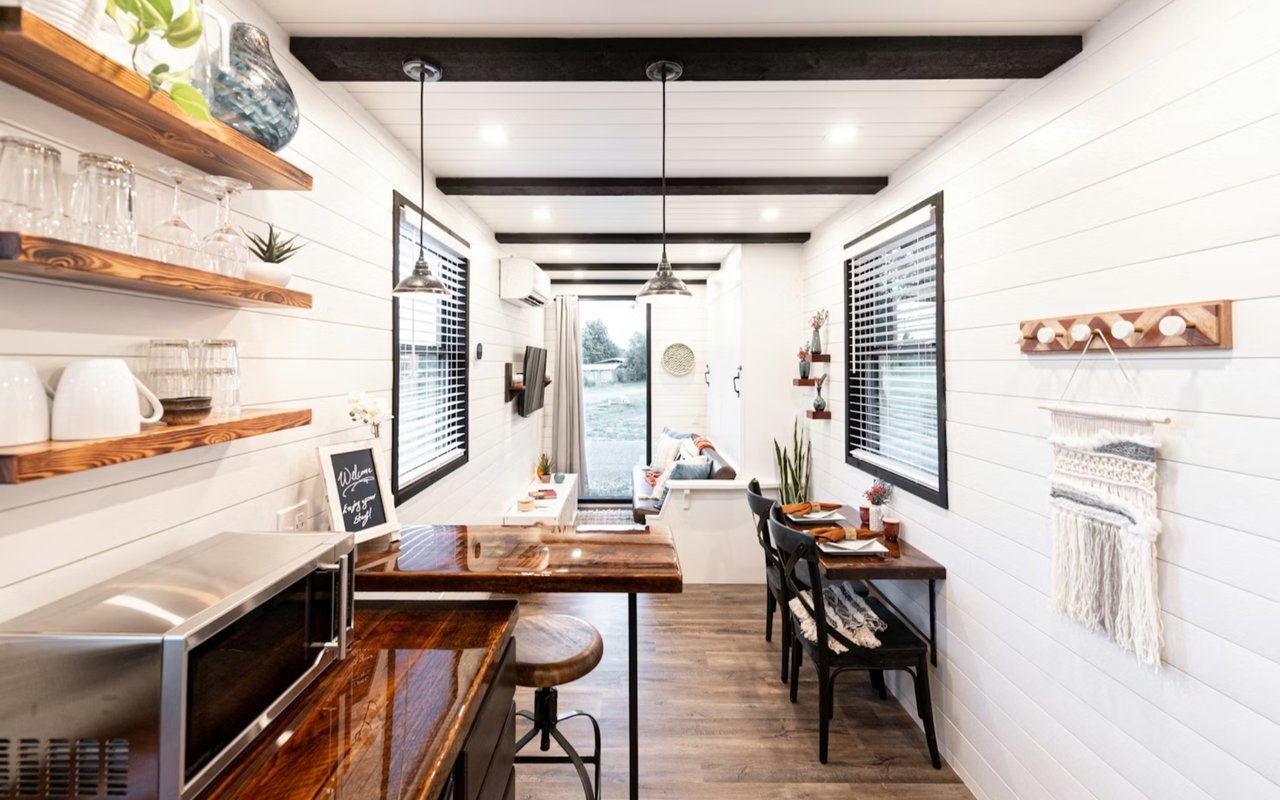
How do tiny homes and ADUs perform as real estate investments in Sarasota, FL? Building a permitted Accessory Dwelling Unit (ADU) between 250 and 1,100 square feet offers strong returns, adding appraised property value and legal long-term rental income. In Sarasota, ADU construction costs range from $80,000 to $150,000, supported by vacancy rates under 6 percent.
While tiny homes on wheels face strict zoning limits in Sarasota County, permanently built ADUs provide a legal, high-performing investment path for homeowners and investors.
Sarasota ADU & Tiny Home Summary
Investment comparison covering Florida Building Code rules, Sarasota County zoning Sec. 124-73, and rental performance dynamics.
Structure Comparison
The Difference Between Tiny Homes and ADUs in Sarasota
The terms "tiny home" and "ADU" are frequently confused, but they represent entirely different investment models under Florida law. Understanding the distinction is essential before allocating capital.
Tiny Homes on Wheels (RVs)
Structures under 400 square feet built on a chassis are classified as Recreational Vehicles. They are restricted to RV parks, cannot serve as permanent residential dwellings, do not qualify for traditional mortgage financing, and add zero appraised value to real property.
Accessory Dwelling Units (ADUs)
Permanently built secondary residences between 250 and 1,100 square feet containing complete kitchen, bathroom, and living quarters. Built to Florida Building Code standards, they qualify for traditional financing and generate legal rental income.
Appraised Value Enhancements
ADUs qualify as real property improvements, allowing certified appraisers to add structural value to the primary single-family parcel valuation.
Zoning Code Sec. 124-73 Compliance
Permitted ADUs meet Sarasota County regulations for accessory structures, creating an asset class eligible for long-term residential leasing.
Permitting & Compliance
What Sarasota Regulations Actually Require
Zoning verification is mandatory before starting any ADU project in Sarasota County. While state statutes support accessory housing, local municipal codes layer on specific parcel requirements.
Sarasota County Zoning Code: Sec. 124-73 | Accessory Uses and Structures
Planning & Development Services: 1660 Ringling Blvd, Sarasota, FL | GIS parcel verification hub
Setback Requirements
Rear setbacks require 5 to 20 feet; side setbacks require 5 to 10 feet depending on zoning district.
Architectural Alignment
Exterior rooflines, siding materials, and color palettes must complement the primary dwelling.
Health Department Septic Approval
Lots relying on septic systems require Health Department capacity authorization prior to building permits.
Flood Zone Foundations
Properties in coastal or Special Flood Hazard Areas require engineered pilings or elevated stem wall foundations.
Investment Ledger
Sarasota ADU Investment Performance Ledger
A detailed comparison of structure types, financing avenues, zoning legality, and appraised value impacts in Sarasota County.
Property Attribute | Tiny Home on Wheels (THOW) | Permitted Land-Based ADU |
|---|---|---|
Florida Code Classification | Recreational Vehicle (Under 400 sq ft) | Residential Structure (250 to 1,100 sq ft) |
Residential Lot Legality | Prohibited as permanent primary dwelling | Permitted under Sarasota Sec. 124-73 |
Mortgage & Appraisal Impact | Zero appraised value; personal/RV loans | Adds appraised value; conventional financing |
Rental Market Potential | Restricted to RV parks and campgrounds | Legal long-term rental income generator |
Source: Sarasota County Code of Ordinances Sec. 124-73 and Florida Building Code Chapter 1. Audited for accuracy against county municipal records.
Market Performance
The Investment Case: Where ADUs Perform Best
Sarasota's rental market provides strong fundamentals for well-executed ADU builds. Rental vacancy rates across the county remain under 6 percent, supported by an annual population growth rate of 2.5 percent that drives demand for compact residential units among healthcare workers, young professionals, and seasonal residents.
Mid-priced residential sectors east of I-75 and in master-planned communities like Lakewood Ranch or Palmer Ranch often yield higher net cap rates due to lower insurance premiums and modern utility connections. Properties near Downtown Sarasota, Siesta Key, or Casey Key command higher gross rents but incur higher initial construction budgets due to elevated flood zone engineering requirements.
Related Reading & Resources
Related Sarasota Real Estate Guides
Explore additional regional guides, neighborhood overviews, and market insights across the Sarasota Gulf Coast.
Kim Ogilvie | Kim Ogilvie Group
Led by Kim Ogilvie, with over 40 years of specialized luxury real estate experience in Sarasota, the Kim Ogilvie Group has closed over $1,000,000,000 in local real estate sales through Michael Saunders & Company. Our team delivers clear, data-backed guidance for real estate investors across Sarasota County.
Investment Inquiries
Frequently Asked Questions
Can I build an ADU on my Sarasota property and rent it out?
In most cases, yes, provided your property is zoned for single-family residential use, satisfies setback and lot coverage limits, and secures proper building and health permits. Some Sarasota municipalities mandate owner occupancy in the primary residence when leasing an ADU.
How much does it cost to build an ADU in Sarasota?
Turnkey construction costs for permitted ADUs in Sarasota typically range from $80,000 to $150,000 or more. Total budgets depend on square footage, interior finishes, utility connection fees, and whether flood zone rules require elevated piling foundations.
Are tiny homes a good alternative to buying a condo in Sarasota?
Tiny homes on wheels cannot legally serve as primary residences on standard single-family residential lots in Sarasota. Permitted ADUs offer legitimate secondary investment value, while traditional single-family homes and condos provide superior financing flexibility and long-term capital appreciation.
Build Your Strategy
Invest Smarter in Sarasota Real Estate With Kim Ogilvie Group
Contact the Kim Ogilvie Group today for expert investment advisory, zoning evaluation, off-market opportunity access, or a comprehensive market valuation of your Sarasota property.