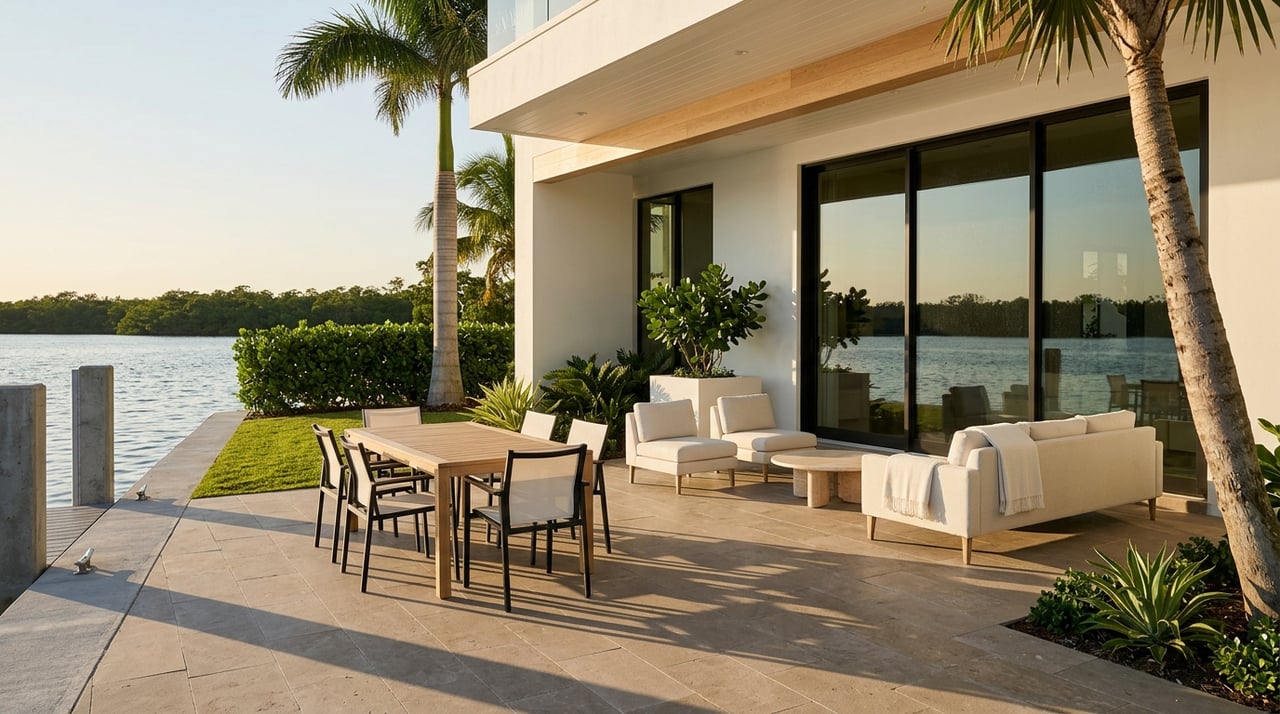
If you are preparing to sell a waterfront estate in Harbor Acres, you are not just putting a house on the market. You are presenting a rare in-town waterfront asset where views, frontage, dockage, and outdoor living can shape buyer interest as much as the interior itself. With buyers in Sarasota still active but more strategic, the right preparation can help you protect value, reduce surprises, and create a more compelling launch. Let’s dive in.
Why Harbor Acres prep is different
Harbor Acres has a distinct story, and that story still affects how buyers see the neighborhood today. The area began taking shape in the early 1950s after dredging and a seawall made the shoreline buildable, and many of the original lots were waterfront.
That history created a neighborhood with a wide mix of property types. You may be selling a legacy Florida ranch, a substantially expanded residence, or a newer custom estate, and each comes with its own pricing and presentation questions.
What ties Harbor Acres together is scarcity and location. It is consistently known as an in-town waterfront enclave with quick access to downtown Sarasota, boating appeal, and a limited supply of bayfront homes.
Lead with the water side
In Harbor Acres, buyers often respond first to what happens outside. Recent top sales have emphasized bay views, dockage, frontage, terraces, pools, sunsets, and outdoor entertaining spaces.
That means your sale strategy should begin with the exterior and waterfront experience. A beautiful interior matters, but if the view lines are blocked or the dock area feels neglected, buyers may see missed potential.
Start by standing in the key outdoor vantage points of your property. Look from the main living spaces toward the water, from the primary suite terraces, from the pool deck, and from the dock back toward the home.
Ask a simple question: does each angle feel open, polished, and intentional? If not, those areas deserve attention before photography and showings begin.
Focus on the features buyers notice most
Harbor Acres buyers tend to notice a similar set of features across luxury waterfront listings. Preparing those areas well can strengthen both first impressions and perceived value.
Views and sight lines
Clean sight lines are essential. Trim landscaping so it frames the water rather than blocking it, and remove furniture or decorative items that interrupt the visual flow toward the bay.
Glass also matters more than many sellers expect. Deep cleaning windows, sliders, railings, and exterior glass can make views feel brighter, sharper, and more expansive in person and in listing photography.
Terraces and outdoor living
Terraces, pool decks, and outdoor entertaining areas should read as finished lifestyle spaces. Declutter these areas, simplify furniture groupings, and make sure each zone has a clear purpose, whether that is dining, lounging, or enjoying sunset views.
If you have an outdoor kitchen, refresh it so it photographs cleanly and feels guest-ready. Buyers often connect emotionally with these spaces because they help them picture how they would actually live on the property.
Pool and hardscape
Pool areas often appear prominently in Harbor Acres marketing because they support the resort-style waterfront experience buyers expect. Make sure pool finishes, coping, pavers, and surrounding hardscape look clean and well maintained.
Small cosmetic issues can stand out in luxury photography. Pressure washing, minor touch-up work, and thoughtful styling can make the whole outdoor setting feel more current and complete.
Dock, boat lifts, and seawall
For many waterfront buyers, the dock is not secondary. It is part of the property’s utility and value.
Your dock, lifts, boat storage areas, and seawall should look orderly and documented. Even if a buyer falls in love with the view, they may still ask practical questions about water access, condition, and prior work.
Treat paperwork as part of presentation
In Harbor Acres, presentation is not only visual. A well-prepared document file can also strengthen buyer confidence and help keep a transaction moving.
RASM notes that waterfront transactions often involve docks, seawalls, flood zones, surveys, and environmental regulations. In other words, you are marketing a waterfront asset, not simply a residence.
When buyers are paying close attention, strong documentation helps your home feel easier to evaluate. That can matter in a market where buyers are willing to move quickly but still tend to be calculated and strategic.
Gather key records early
Before you list, it helps to organize any records a buyer may reasonably request. Common examples include:
- Surveys
- Elevation-related documents
- Flood insurance information
- Permit records for major work
- Dock and seawall records
- Repair and maintenance records
- Pool and equipment service history
You do not need to wait for a buyer question to begin this process. A cleaner file can reduce delays during due diligence and help your agent position the property with more confidence.
Check flood and elevation details
Flood readiness deserves early attention, especially if you are considering repairs or updates before going live. Sarasota County says its FEMA flood maps became effective in March 2024, and the county property appraiser site can be used to confirm flood-zone information and required elevation.
The City of Sarasota also notes that substantial improvements are repairs or alterations equal to or above 50 percent of fair market value. If a building is substantially improved, it must meet new-construction flood standards at least 1 foot above base flood elevation.
That does not mean every pre-sale project triggers a major issue, but it does mean you should verify the scope of any planned work before starting. This is especially important for sellers thinking about larger exterior renovations close to list date.
The city also states that it does not prepare elevation certificates. Those are prepared by licensed surveyors and submitted to the city, with submitted certificates stored by FDEM since 2017.
Review dock work before launch
Dock-related improvements can take more coordination than sellers expect. If you are planning repairs, expansions, or updates, start with permit and site requirements rather than assumptions.
The City of Sarasota’s dock plan checklist requires detailed site and construction plans. For new docks or expansions, it also requires a DEP exemption or permit letter, and open-water Sarasota Bay projects require a signed and sealed bathymetric survey.
DEP also confirms that some single-family dock projects may qualify for self-certification, including certain new docks, repairs, and boat lift additions. Even so, early review is wise because timing can affect your sale calendar.
Time your launch strategically
Even in a desirable neighborhood, timing still matters. Florida Realtors identified mid-April as a key seller window in 2026, while broader seasonal patterns typically point to spring and summer as stronger activity periods.
For Harbor Acres, that does not mean you should simply aim for a date and rush everything else. Because waterfront properties involve more preparation and documentation, a polished launch usually starts weeks or months earlier.
Think backward from your ideal list date. If you need permit checks, dock work, exterior refreshes, staging, photography, or document gathering, build in enough lead time to do each step well.
Price and present with discipline
Sarasota County’s single-family market remained active in 2025, with 8,183 closed sales, a 40.8 percent cash share, a $474,700 median sale price, 4.7 months of supply, and 99 days median time to sale. By May 2026, Sarasota single-family inventory had fallen to 4.4 months of supply and homes took a median 50 days to contract.
That backdrop supports opportunity, but not complacency. Buyers may be active, yet they are also more strategic, which makes pricing, condition, and preparation especially important in the upper tier.
Local year-end data also showed a 93 percent median list-price-received ratio. In practical terms, scarcity alone is not a complete strategy.
In Harbor Acres, strong results tend to come from aligning price with the property’s actual waterfront strengths, presenting the home with care, and anticipating the questions sophisticated buyers will ask. That is particularly true for properties where frontage, views, and dock usability are central to value.
A practical Harbor Acres prep checklist
If you want a simple way to organize the process, start here:
- Clear and polish water-facing glass
- Trim landscaping to open view corridors
- Declutter terraces and simplify outdoor furniture
- Refresh pool, pavers, and exterior hardscape
- Organize dock, lifts, and boat storage areas
- Review seawall appearance and available records
- Gather surveys, permits, and repair history
- Confirm flood-zone and elevation information
- Check whether planned work may trigger permit review
- Schedule photography only after the waterfront side is fully ready
Think beyond standard staging
A Harbor Acres estate should be marketed as an in-town waterfront lifestyle property. That means your preparation should support a full story about how the home lives, both visually and practically.
When buyers see polished terraces, clean sight lines, usable dockage, and organized documentation, the property often feels more complete. It reads as a well-managed waterfront offering rather than a beautiful home with unanswered questions.
That kind of confidence can matter at every stage, from the first showing to due diligence and negotiation. In a neighborhood known for rare waterfront opportunities, strategic preparation helps your estate stand out for the right reasons.
If you are considering selling in Harbor Acres, working with a team that understands Sarasota’s luxury waterfront market can make the process more focused from the start. For tailored guidance on pricing, presentation, and launch strategy, connect with Kim Ogilvie.
FAQs
What matters most when preparing a Harbor Acres waterfront estate for sale?
- The most important priorities are usually the water view, dockage, terraces, pool area, and overall outdoor presentation, along with organized records for surveys, permits, flood details, and waterfront improvements.
Why is documentation important for a Harbor Acres waterfront home sale?
- Waterfront buyers often review docks, seawalls, flood zones, surveys, and repair history closely, so having those records ready can reduce surprises and support a smoother due diligence process.
Should you check flood information before listing a Harbor Acres home?
- Yes. Sarasota County says its FEMA flood maps became effective in March 2024, and checking flood-zone information and required elevation early can help you plan repairs, disclosures, and buyer conversations more clearly.
Do dock improvements in Sarasota require extra planning before a sale?
- Yes. The City of Sarasota requires specific dock plans and supporting materials for certain projects, and some work may also need a DEP exemption, permit letter, or bathymetric survey depending on the scope.
When should you start preparing a Harbor Acres luxury listing?
- It is smart to start well before your target list date because waterfront prep can involve exterior work, document gathering, staging, photography, and possible permit review that are harder to compress at the last minute.