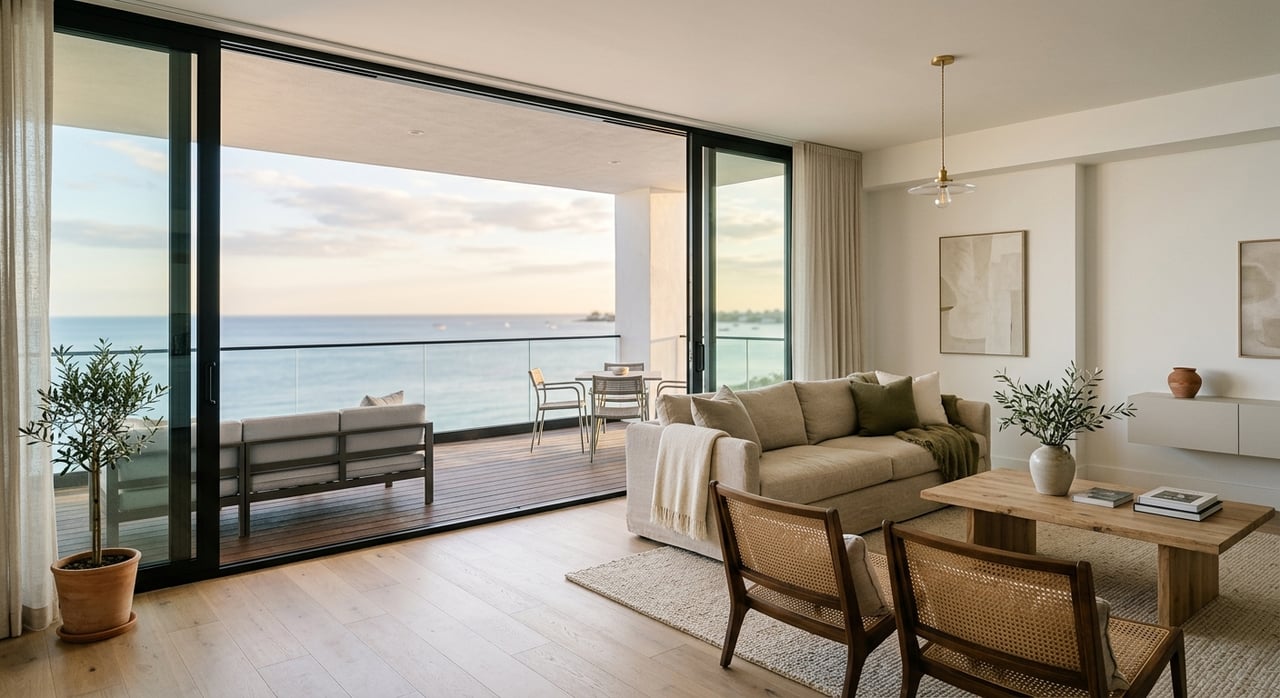
Choosing a property on Siesta Key is not just about how many bedrooms you want or whether the view is pretty. On this barrier island, your day-to-day lifestyle can change dramatically based on the type of home you buy, where it sits, and what the rules allow. If you are trying to decide between a condo, villa, canal-front home, or bayfront estate, this guide will help you match the property type to the way you actually plan to live on Siesta Key. Let’s dive in.
Why property type matters on Siesta Key
Siesta Key works differently than a dense downtown neighborhood. The island is shaped around a few practical hubs, with Siesta Key Village serving as the main walkable social and dining district and the free 77 Siesta Islander trolley connecting downtown Sarasota, Siesta Key Village, Siesta Beach, South Village, and Turtle Beach Park & Campground.
That matters because the right property is not only about the home itself. It is also about how close you want to be to the Village, beach access, boating, and a more car-free routine. On Siesta Key, location and property type often work together.
Beachfront condos for easy island living
Beachfront condos are often a strong fit if you want a lock-and-leave lifestyle or a seasonal home with simple day-to-day upkeep. They can make it easier to enjoy fast beach access without taking on the full maintenance demands of a detached waterfront house.
A condo does not always need to sit directly on the sand to work well. Because Siesta Key has public beach access and the free trolley network, a condo that is slightly off the beach can still support a relaxed second-home lifestyle with convenient access to the parts of the island you will use most.
Who condos tend to fit best
Condos often make sense if you are looking for:
- A second home with less hands-on upkeep
- A seasonal residence you can leave for part of the year
- Quick beach access
- Convenient access to Siesta Key Village or trolley-connected areas
What to verify before you buy a condo
The biggest trade-off is control. Your use of the property may be shaped by condo association rules, deed restrictions, and Sarasota County zoning and rental regulations.
Before you move forward, make sure you review:
- The condo association rules
- The building’s rental policy
- The property’s zoning
- Any limits on how often or how long the unit may be rented
Villas for low-maintenance comfort
If you want a house-like feel with a smaller footprint, a villa may be worth a close look. Villas are often appealing to downsizers, part-time residents, and buyers who want more predictable upkeep than a detached waterfront property usually requires.
The real value of a villa is often ease. You may get a more residential feel than a typical condo while still avoiding some of the heavier maintenance responsibilities that can come with larger homes.
What matters most with villas
With villas, the label itself is not the most important detail. The community rules are.
Sarasota County notes that private deed restrictions are not enforced by the county, which means you need to carefully review the community documents yourself. Rental rules, exterior changes, maintenance responsibilities, and use restrictions can vary from one villa community to another.
Canal-front homes for boating access
If your ideal Siesta Key lifestyle includes keeping a boat close to home, canal-front properties deserve serious attention. They often offer the privacy and space of a detached house along with practical boating convenience.
For many buyers, that combination is hard to beat. You can enjoy a more private residential setting while also having direct water access tied to your daily routine.
The canal-front due diligence to expect
Water access adds another layer of review. Sarasota County says a boat may be stored on residential property if it belongs to the owner or tenant, but boats cannot be parked or stored in the public right-of-way or on vacant property.
If you want a dock, boat lift, seawall work, or future shoreline improvements, permits and special authorization may be required. That means the property should be evaluated not only for what exists today, but also for what you may want to change later.
Canal-front homes may fit you if you want
- A detached home rather than a condo
- Boating convenience tied to your property
- Space for full-time or extended seasonal living
- More privacy than many attached residences offer
Bayfront estates for wide-water views
Bayfront estates are often the best fit for buyers who prioritize expansive water views, privacy, and a more estate-like setting. If you plan to spend substantial time on the island and want a signature waterfront experience, this category can be especially compelling.
These homes often deliver the scale and setting that many luxury buyers want. At the same time, they usually come with the heaviest due diligence burden.
Flood and insurance questions matter more here
Sarasota County notes that the county is exposed to coastal, riverine, and storm-surge flooding. New FEMA flood maps issued on March 27, 2024 may affect insurance requirements and premiums, and flood insurance is required for buildings in Special Flood Hazard Areas with federally backed mortgages.
The county also states that most homeowner’s insurance does not cover flood damage and that flood insurance usually has a 30-day waiting period after purchase. Even if a property is outside a mandatory insurance zone, it can still carry some flood risk.
For bayfront properties, reviewing the current flood zone before closing is essential. You will also want to understand how updated floodplain boundaries and Base Flood Elevations could affect ownership costs over time.
Match the property to your lifestyle
The best property type usually becomes clearer when you start with how you want to use the home. On Siesta Key, that practical lens is often more helpful than starting with architecture alone.
Here is a simple way to think about it:
| Buyer priority | Property type to consider | Key consideration |
|---|---|---|
| Lock-and-leave convenience | Beachfront condo or villa | Association and rental rules |
| Boating access | Canal-front home | Dock, seawall, and permitting needs |
| Wide-water luxury setting | Bayfront estate | Flood exposure and insurance costs |
| Walkable island routine | Condo or villa near Village and trolley | Exact location and access |
Rental flexibility depends on rules, not labels
One of the biggest mistakes buyers make on Siesta Key is assuming that a condo, villa, or house automatically comes with a certain rental option. In reality, rental flexibility depends more on zoning and private restrictions than on the property type itself.
Sarasota County says homes throughout the county may be rented as a whole for more than 30 days. On the barrier islands, only RMF-zoned properties may be rented for less than 30 days, and short-term rental use is not allowed in other districts.
The county also states that bed-and-breakfast use is prohibited in the Siesta Key Overlay District. On top of that, private deed restrictions and condo or HOA rules may be more restrictive than county zoning.
The three rental checks to make
Before you write an offer, verify these three items:
- The property’s zoning district
- The condo or HOA documents
- Your intended rental strategy
For many second-home buyers, this is one of the most important due diligence steps in the entire process.
Understand carrying costs before you commit
On Siesta Key, ownership costs can vary meaningfully based on how you plan to use the property. Taxes, insurance, maintenance, and future improvements should all be part of your comparison.
If the home will be your full-time Florida residence, homestead status may affect your long-term carrying costs. Sarasota County’s property appraiser says homestead eligibility requires Florida residency and ownership and occupancy as a permanent residence on January 1, with a March 1 application deadline.
The same office notes that assessed-value growth is capped at no more than 3% for homesteaded property and 10% for non-homestead property. Because second homes generally do not qualify, you should confirm your intended residency status before assuming tax savings.
Renovation plans should be part of the decision
Many buyers on Siesta Key plan to personalize a property after closing. If that is your plan, make sure you evaluate not just the home you are buying, but also the work you hope to do.
Sarasota County notes that permits may be required before construction or repair work begins. The county also says that new structures or improvements must be performed by a Florida or locally registered contractor unless the owner-builder is properly permitted.
This matters most with waterfront homes, where buyers often want to improve docks, decks, seawalls, or other coastal features. A property that looks ideal today may feel different if your renovation goals are difficult, costly, or slow to approve.
Why location can outweigh the structure
On Siesta Key, your daily experience often comes down to how you move around the island. Visit Sarasota describes Siesta Key Village as the island’s main walkable social and dining district, located a few blocks from the beach and home to more than 100 shops, bars, restaurants, and hotels.
If you want easy access to the Village and the beach without relying heavily on a car, the trolley-connected core near Siesta Key Village and Siesta Beach can be a major advantage. That is why a well-located condo or villa can sometimes feel like a better fit than a larger home in a less convenient spot.
Choosing with clarity
The right property type on Siesta Key depends on how you want to live, how often you will use the home, and how much complexity you are comfortable managing. A condo or villa may offer the simplicity you want, while a canal-front or bayfront home may deliver a more tailored waterfront lifestyle with more moving parts.
When you compare options through the lens of lifestyle, rental goals, flood exposure, carrying costs, and future improvement plans, the right answer usually becomes much clearer. If you are weighing Siesta Key property types and want guidance grounded in local waterfront experience, Kim Ogilvie can help you narrow the field with confidence.
FAQs
What property type is best for a seasonal buyer on Siesta Key?
- Beachfront condos and villas are often the easiest fit for seasonal buyers who want lower-maintenance ownership and a lock-and-leave lifestyle.
What should you check before buying a rental property on Siesta Key?
- You should verify the zoning district, review the condo or HOA documents, and confirm that your intended rental strategy is allowed.
What makes canal-front homes different on Siesta Key?
- Canal-front homes often appeal to buyers who want boating convenience, but docks, seawalls, lifts, and shoreline changes may require additional permits or authorization.
Why do flood maps matter when buying on Siesta Key?
- Sarasota County’s updated flood maps can affect flood zones, Base Flood Elevations, insurance requirements, and ownership costs, so they should be reviewed before closing.
Can a second home on Siesta Key qualify for homestead tax benefits?
- In general, second homes do not qualify, because homestead eligibility requires Florida residency and ownership and occupancy as a permanent residence on January 1.