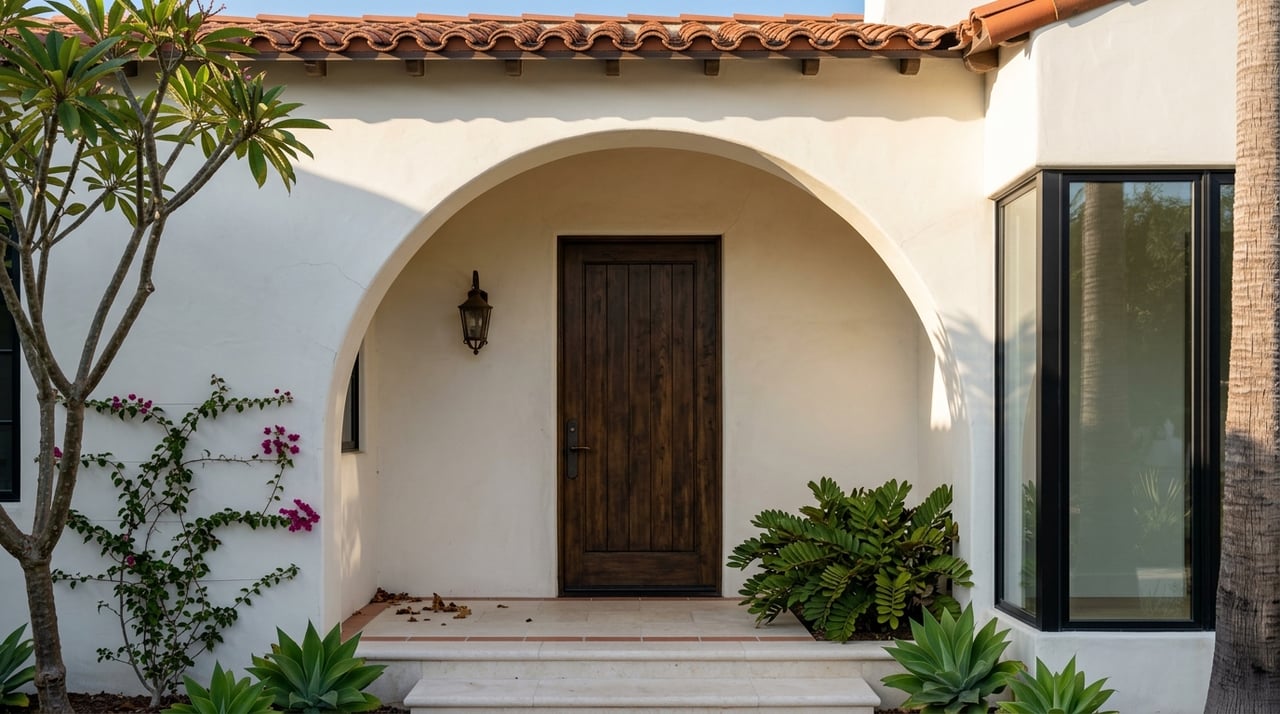
Curious why one Cherokee Park home feels like a sun-washed villa, another looks crisp and formal, and a third leans sleek and modern? That variety is part of what makes this Sarasota neighborhood so compelling. If you are considering buying or selling here, understanding the architectural mix can help you better appreciate value, character, and long-term appeal. Let’s dive in.
Cherokee Park's Architectural Roots
Cherokee Park was platted in 1926 by developer J.C. Brown, who envisioned a neighborhood shaped by Spanish, Moorish, or Italian design themes. He also built Cherokee Lodge as his own Mediterranean Revival residence, setting an early architectural tone for the area.
From the start, the subdivision included restrictions that called for masonry construction and minimum investment levels. Even so, Cherokee Park did not remain locked into one look. Over time, it evolved into a layered neighborhood with revival-era homes, postwar modern residences, and later infill that respects the area’s established scale.
Mediterranean Revival Sets the Tone
If there is one style most closely tied to Cherokee Park’s identity, it is Mediterranean Revival. This architectural language is one of the neighborhood’s strongest historic reference points and still shapes how many people picture classic Cherokee Park homes.
In Sarasota, Mediterranean-inspired houses often feature stucco or cast-stone facades, asymmetrical massing, and tile roofs. You may also see roof towers, tiled floors, and beamed ceilings, all of which add warmth and a sense of old-world craftsmanship.
Key Mediterranean Features
When you walk or drive through Cherokee Park, these are some of the details that often signal a Mediterranean or Spanish-inspired revival home:
- Stucco or cast-stone exterior finishes
- Clay or tile roofing
- Asymmetrical forms
- Roof towers or vertical accents
- Tiled interior flooring
- Beamed ceilings
These homes often feel romantic and established, but they also tend to reward careful maintenance. In older revival properties, the roof, flashing, gutters, and moisture management are often some of the first practical items to review.
Colonial Revival Adds Formal Balance
Cherokee Park is not defined by one architectural style alone. The neighborhood also includes traditional revival homes, including Colonial Revival examples that bring a different kind of presence to the streetscape.
A good local reference is the McKaig House, built in 1936, which reflects Colonial Revival design. Sarasota History Alive describes the style as expansive, calm, and nostalgic, with broad proportions and strong cornice lines.
How Colonial Revival Feels Different
Compared with Mediterranean homes, Colonial Revival residences often feel more symmetrical and composed. That difference helps explain why one Cherokee Park property may read as villa-like and relaxed, while another appears more formal and ordered.
For buyers, this means Cherokee Park can appeal to more than one design preference. You may be drawn to decorative revival charm, or you may prefer a home with cleaner lines and a more balanced facade.
Art Deco and Modern Stand Out
Another reason Cherokee Park feels so visually interesting is its architectural range beyond the expected historic styles. The neighborhood includes examples of Art Deco and post-World War II modern design, which broaden its identity in a meaningful way.
A 1936 Cherokee Park Art Deco home highlighted by Sarasota Magazine featured streamlined horizontals, curves, geometric proportions, glass block, and period ceiling moldings. Those details create a very different mood from Mediterranean or Colonial Revival architecture.
What to Notice in Art Deco Homes
Art Deco homes in Cherokee Park may include:
- Streamlined horizontal lines
- Curved forms
- Geometric massing
- Glass block details
- Decorative period moldings
Postwar modern homes add another layer to the neighborhood. Rather than repeating earlier revival styles, these properties contribute restraint, simplicity, and a different sense of indoor-outdoor living.
New Construction Has Its Place
Cherokee Park is not just about preservation. Newer homes are also part of the neighborhood’s story, and some recent projects show how contemporary design can work thoughtfully within an established setting.
One 2024 Cherokee Park home, called Watersound, was designed to echo the footprint and breezeway of the house that came before it. Its porch, metal roof, tower, plastered walls, oak floors, built-ins, and screened patio were all used to help the home feel rooted rather than newly inserted.
A different example took a more explicitly modern path. A 2020 Guy Peterson residence in Cherokee Park used expansive glass, open living spaces, polished concrete, and strong indoor-outdoor flow to create a fresh, current expression.
Why Context Matters
These examples show that new construction in Cherokee Park often aims to fit the neighborhood’s scale and tree canopy instead of overpowering it. That matters if you are comparing original homes with newer builds, because the conversation is often less about old versus new and more about how well a home relates to its setting.
For buyers, that creates meaningful choice. You can find preserved architectural character, mid-century influence, or newer systems and finishes, all within the same neighborhood.
What Style Means for Ownership
Architecture is not only about curb appeal. In Cherokee Park, style can also affect maintenance, renovation planning, and your day-to-day experience of the home.
For older Mediterranean and revival properties, roof shape and roofing material are important character-defining elements. The National Park Service notes that leaking roofs can accelerate deterioration, and clay tile remains common in the coastal South because it suits regional climates.
A Smart Maintenance Checklist
If you are evaluating an older Cherokee Park home, it is wise to pay close attention to:
- Roof condition
- Flashing
- Gutters
- Signs of moisture intrusion
- How original exterior materials have been maintained
These practical details do not take away from a home’s charm. Instead, they help you understand what it takes to preserve that charm well over time.
Historic Rules May Affect Changes
If a home is locally designated, exterior updates may involve additional review. The City of Sarasota states that its preservation program is intended to identify, document, protect, preserve, and enhance historic, architectural, and archaeological resources.
For locally designated structures, exterior changes require a Certificate of Appropriateness and are reviewed under the Secretary of the Interior’s Standards. The city also notes that qualifying historic improvements may be eligible for incentives or an ad valorem tax exemption.
Why This Matters to Buyers and Sellers
If you are buying, these rules can shape what changes are possible and how projects move forward. If you are selling, they can also become part of the home’s story, especially for buyers who value architectural integrity and long-term stewardship.
This is one reason neighborhood-specific guidance matters. In a place like Cherokee Park, design, condition, and local context often influence value together rather than separately.
Why Cherokee Park Feels Timeless
Cherokee Park’s long-term appeal comes from the fact that it offers several versions of timeless design in one neighborhood. You see 1920s revival charm, rare 1930s modern character, postwar variety, and newer homes that still respect the scale of the block.
That combination gives the neighborhood a collected feel rather than a replicated one. Instead of looking like a single-era development, Cherokee Park reads as layered, established, and architecturally rich.
For buyers, that means more options without losing a sense of place. For sellers, it means your home is part of a broader neighborhood story that buyers often find memorable.
If you are thinking about buying or selling in Cherokee Park, architectural nuance matters. The right guidance can help you understand how style, condition, and location come together in ways that influence both lifestyle and value. To talk through Cherokee Park homes with a team that knows Sarasota’s luxury market in depth, connect with Kim Ogilvie.
FAQs
What architectural style is most associated with Cherokee Park homes?
- Mediterranean Revival is the neighborhood’s strongest historic reference point, dating back to the original 1926 vision for Spanish, Moorish, and Italian-inspired homes.
Are all Cherokee Park homes historic in style?
- No. Cherokee Park includes Mediterranean Revival, Colonial Revival, Art Deco, postwar modern, and newer infill homes, giving the neighborhood a broad architectural mix.
What features define Mediterranean Revival homes in Cherokee Park?
- Common features include stucco or cast-stone facades, tile roofs, asymmetrical forms, roof towers, tiled floors, and beamed ceilings.
Do newer Cherokee Park homes fit the neighborhood?
- Many newer homes are designed to respect the neighborhood’s scale and canopy, even when they use more modern layouts, materials, and glass-forward design.
What should buyers check in older Cherokee Park homes?
- Buyers should pay close attention to roof condition, flashing, gutters, and moisture management, especially in older Mediterranean and revival-style properties.
Can owners make exterior changes to historic Cherokee Park homes?
- If a property is locally designated, exterior changes require a Certificate of Appropriateness from the City of Sarasota and are reviewed under preservation standards.